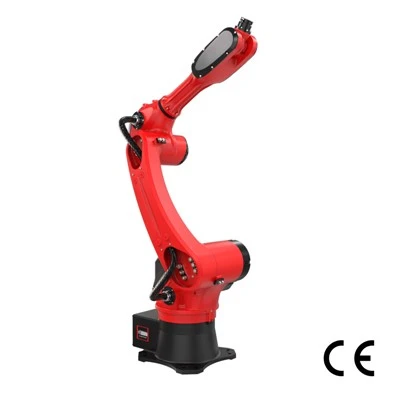
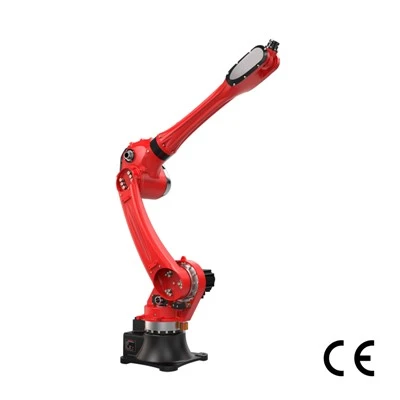
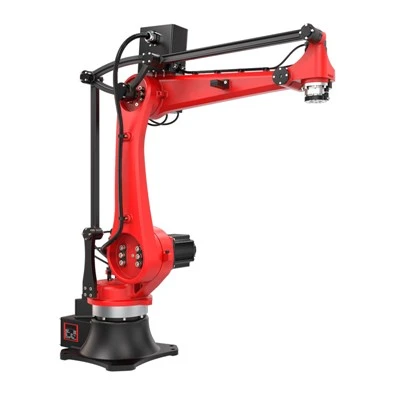
Injection Molding Robots for Smarter, More Efficient Production
Automate molded-part removal with robot configurations selected for your injection molding machine, mold layout, workpiece, and production cycle.
We supply injection molding robot solutions for manufacturers looking to reduce manual part handling, improve take-out consistency, and connect molding machines with downstream production equipment. From standard take-out robots to application-specific systems, configuration options can cover robot access, servo motion, end-of-arm tooling (EOAT), machine interfaces, and part-transfer arrangements.
-
![Plastic Injection Molding Robot]() Plastic Injection Molding RobotPlastic Injection Molding Robot – a compact servo/cylinder hybrid solution for 60T–200T machines, delivering consistent molded-part extraction and transfer with adjustable swing angle for...
-
![Sprue Picker Robot]() Sprue Picker RobotRBTIC sprue picker robots automate sprue and runner removal for 30T–250T injection molding machines – delivering consistent waste extraction, reduced manual handling, and streamlined production...
-
![Imm Robot]() Imm RobotRBTIC IMM robots automate molded-part removal and transfer for 160T–1200T injection molding machines – with 8–15 kg payload capacities and 5-axis servo control for consistent handling, reduced...
-
![Injection Robot]() Injection RobotOur Injection Robot series delivers agile, high-speed automated extraction for light-to-medium tonnage injection molding presses – combining compact design, high-rigidity aluminum structure, and...
-
![Plastic Injection Robot]() Plastic Injection RobotOur Plastic Injection Robot series delivers high-speed part extraction, precise insert loading, and versatile secondary handling for single- and multi-cavity production lines – engineered for...
-
![Molding Machine Robot]() Molding Machine RobotOur Molding Machine Robot series integrates seamlessly with horizontal and vertical injection molding machines – using high-speed servo mechanics and intelligent controls to automate part...
-
![Injection Machine Robot]() Injection Machine RobotRBTIC injection molding robots automate part removal, sprue separation, and transfer from injection molding machines – with configurations matched to tonnage, mold dimensions, part weight, stroke,...
-
![Robots for Injection Molding]() Robots for Injection MoldingRBTIC Robots for Injection Molding are 3-axis servo manipulators designed for automatic removal of molded plastic parts and sprues from injection molding machines. The BRTNG09WSS3P/F and...


Injection Molding Robot Configurations
Choose the robot arrangement according to mold access, available installation space, and the required take-out path. Servo-driven motion is a separate configuration consideration rather than an alternative access direction.

1.Top-Entry Injection Molding Robots
Top-entry robots access the mold area from above, making overhead clearance and vertical movement key selection factors.
Suitable for: Applications where the mold can be accessed from above and the factory layout accommodates the robot's mounting arrangement.
Selection priorities:
- Vertical stroke and mold-opening clearance.
- Payload, including EOAT and workpiece weight.
- Part-release position and transfer distance.
- Overhead installation space and maintenance access.
2.Side-Entry Injection Molding Robots
Side-entry robots approach the mold from the side. Their suitability depends on lateral access, the required take-out path, and surrounding equipment.
Suitable for: Production layouts where lateral access better accommodates the molding process or downstream transfer arrangement.
Selection priorities:
- Available side clearance and robot mounting space.
- Reach and movement envelope.
- Interference risks around the mold and machine structure.
- Part-transfer direction and downstream equipment position.
3.Servo-Driven Robot Configurations
Servo-driven motion supports controlled, programmable axis movement. Depending on the selected model, it can accommodate defined movement sequences and coordinated part handling.
Suitable for: Applications requiring programmable motion, repeatable transfer paths, or more flexible movement sequences.
Selection priorities:
- Available axes and motion range.
- Rated payload and permitted load characteristics.
- Required movement sequence and target cycle time.
- Controller compatibility and programming requirements.
- Servo-driven motion may be available with different access configurations, depending on the product range.
4.Application-Specific Robot Solutions
Specialized applications may require dedicated tooling, multi-part handling, insert handling, or integration with additional production equipment.
Configuration options may include:
- Custom mechanical or vacuum gripping tools.
- Multi-part take-out arrangements.
- Part rotation, orientation, and controlled placement.
- Insert handling or specialized gripping sequences.
- Interfaces for conveyors, inspection stations, and collection systems.

Compare Configurations Before Selecting a Robot
|
Selection factor |
Top-entry |
Side-entry |
Servo-driven motion |
|
Defining feature |
Access from above |
Access from the side |
Programmable axis movement |
|
Main layout requirement |
Overhead clearance |
Lateral clearance |
Sufficient motion envelope |
|
Critical specification |
Vertical stroke |
Reach and access path |
Axis capability and motion profile |
|
Main risk to check |
Insufficient overhead space |
Interference with adjacent equipment |
Unsuitable payload or motion configuration |
|
Best selection basis |
Mold access and vertical movement |
Lateral access and transfer direction |
Required movement |
EOAT and Part-Handling Options
The end-of-arm tooling determines how molded parts are gripped, released, and transferred. Tooling selection should be based on the actual part rather than nominal robot payload alone.
|
Tooling consideration |
What must be specified |
|
Mechanical gripping |
Gripping locations, clamping force, and surface protection |
|
Vacuum gripping |
Available suction area, surface condition, and vacuum monitoring requirements |
|
Custom EOAT |
Workpiece geometry, tooling weight, and changeover requirements |
|
Multi-part handling |
Number of parts per cycle and combined load |
|
Insert handling |
Insert presentation, positioning, and placement sequence |
|
Part orientation |
Required rotation, placement angle, and transfer position |
Machine Compatibility and System Integration

A suitable robot must work with the injection molding machine, mold, controller, and downstream equipment as one coordinated process.
Injection Molding Machine Interface
Confirm the machine manufacturer and model, controller type, mounting arrangement, available interface signals, and mold-access dimensions. Compatibility should be established from the complete machine configuration, not clamping force alone. Identify any required interface hardware, signal mapping, programming, or machine modifications before ordering.
Mold Access and Ejection Sequence
The robot's movement must fit the mold-opening sequence and available take-out space. Check ejector position, part-release behavior, mold clearance, and the timing of the removal sequence. Part sticking, restricted gripping access, or interference with mold components may require changes to the tooling or movement sequence.
Downstream Handling
Possible arrangements include conveyor transfer, collection stations, inspection equipment, or additional automation. Specify the destination, required part orientation, transfer distance, and whether downstream equipment is included in the quotation.
Safety and Control Integration
The integrated installation must address guarding, access points, interlocks, emergency stops, and applicable safety requirements.
Applications
Automotive Plastic Components
For housings, covers, and interior components, selection focuses on secure gripping, surface protection, part orientation, and transfer to inspection or collection stations.
Electrical and Electronic Components
For enclosures, connectors, and precision molded parts, assess gripping stability, permitted contact areas, part separation, and any additional handling or inspection requirements.
Household and Consumer Products
For appliance components, containers, and molded housings, prioritize part dimensions, cosmetic surface protection, tooling changeovers, and the required collection arrangement.
Packaging and High-Volume Molding
For repetitive production cycles, evaluate take-out sequence, motion coordination, release reliability, and downstream handling capacity. Cycle-time targets should be verified under agreed application conditions.
Insert Molding and Specialized Applications
For insert-related processes, define insert presentation, placement accuracy requirements, gripping arrangements, and the coordination required between the robot and molding machine.

Quality Control, Testing, and Certifications
Quality assurance should cover the supplied robot configuration, agreed functional requirements, and applicable compliance documentation.

Component and Assembly Inspection
The inspection plan should identify the checks applicable to the supplied equipment, including component condition, assembly, wiring, connections, and configuration verification. Available inspection records and traceability documentation should be confirmed before ordering.
Functional and Performance Testing
Testing should cover the functions specified in the purchase agreement. Depending on the configuration, agreed checks may include:
- Axis movement and controller operation.
- Programmed sequences and relevant input/output signals.
- Sensor and interlock functions.
- Specified movement or positioning performance.
- Handling sequence and cycle-time verification under defined conditions.
- Performance claims should be supported by agreed test methods and recorded results where required.
Factory Acceptance Test (FAT)
If FAT is included in the project scope, agree on the acceptance criteria before testing.
The FAT plan may cover model and configuration verification, functional operation, relevant interface checks, specified performance tests, documentation, and outstanding-item records.
Confirm whether the FAT is standard or optional, whether the customer may witness the test, and which reports will be supplied.
Certifications and Compliance Documents
Product certification, quality management certification, and system-level compliance are different matters.
Before ordering, identify the requirements applicable to the product and destination market. Request the relevant certificates, declarations, test reports, and technical documents available for the supplied configuration. Verify the issuing organization, scope, validity, and applicable product models.

Installation, Commissioning, and Delivery Scope
The quotation should clearly distinguish included equipment, optional services, and excluded items.
|
Project item |
Scope to confirm |
|
Robot and controller |
Model, quantity, accessories, and configuration |
|
EOAT |
Gripper design, sensors, and tooling components |
|
Machine interface |
Hardware, signals, and programming responsibilities |
|
Safety equipment |
Guarding and protective devices within the agreed scope |
|
Downstream equipment |
Conveyor, inspection, collection, and controls |
|
Installation |
Mounting, wiring, utilities, and site preparation |
|
Commissioning |
Programming, sequence testing, and interface verification |
|
Training |
Operator and maintenance training arrangements |
|
Acceptance |
FAT or site acceptance criteria and documentation |
|
Delivery documents |
Manuals, drawings, parts lists, and agreed test records |
After-Sales Support, Spare Parts, and Warranty
Technical Support
Confirm available support channels, service hours, language options, remote troubleshooting arrangements, and any on-site service coverage. Response times and service commitments should be documented in the applicable agreement.
Operator and Maintenance Training
Agree on training scope according to the supplied equipment. Relevant topics may include normal operation, routine inspection, troubleshooting, safe maintenance, and tooling changeover.
Spare Parts and Maintenance
Request a recommended spare-parts list with part identification, ordering procedures, and supply arrangements. Confirm lead times for critical components in the destination market.
Warranty
The quotation or contract should specify the warranty period, commencement date, covered components, exclusions, claim procedure, and customer responsibilities.
FAQ
As one of the most professional injection molding robot manufacturers and suppliers in China, we have world-leading production equipment and strong manufacturing capabilities. Please feel free to buy durable injection molding robot for sale here from our factory. Also, custom service is available.
Popular Products