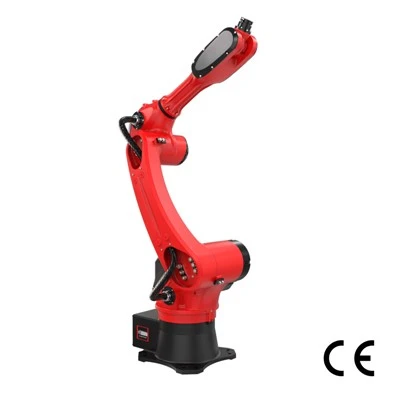
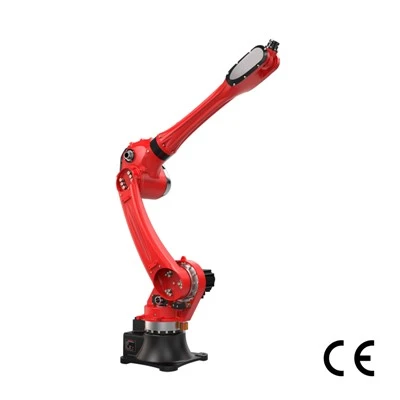
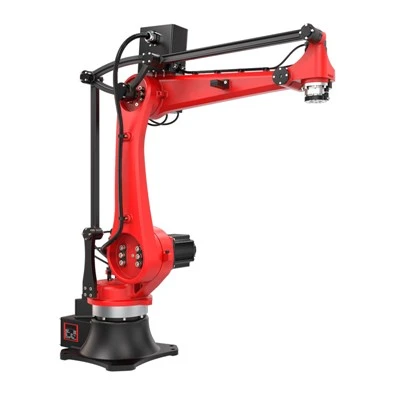
Palletizing Robot Manufacturer for Industrial Automation
RBTIC supplies industrial robots for palletizing applications, supporting manufacturers, OEMs, and automation integrators with robot selection, configuration, and project-specific supply arrangements.
Whether you need a palletizing robot for an existing production line, a robot with end-of-arm tooling, or equipment for a new palletizing workcell, we help define the required configuration and supply scope before quotation.
-
![Industrial Palletizing Robot]() Industrial Palletizing RobotA four-axis industrial robot, equipped with specialized fixtures, is suitable for lightweight pallet stacking, part handling, and the automated loading and unloading of metal components, battery...
-
![Palletizing Robot Arm]() Palletizing Robot ArmA six-axis 50 kg payload, 2563 mm reach palletizing robot arm – with application-specific end-of-arm tooling – for flexible palletizing, depalletizing, loading/unloading, and material handling of...
-
![Robotic Case Palletizer]() Robotic Case PalletizerDesigned for high-efficiency end-of-line packaging, the Robotic Case Palletizer integrates advanced industrial robotics with smart multi-pattern programming to handle cartons, crates, trays, and...
-
![Box Palletizing Robot]() Box Palletizing RobotA 65 kg payload, 2334 mm reach box palletizing robot – with column-based structure and 2400 mm vertical stroke – automating carton transfer and multi-layer stacking for heavy-load, high-level...
-
![Automatic Robotic Palletizer]() Automatic Robotic PalletizerAn 80 kg payload, 2412 mm reach automatic robotic palletizer – with programmable motion and application-specific tooling – for flexible stacking of large panels, cartons, and packaged products...
-
![Automated Palletizing Robot]() Automated Palletizing RobotA six-axis heavy-load industrial robot – with 200 kg payload and 2637 mm reach – delivering flexible, multi-orientation handling for heavy cartons, industrial containers, palletizing, and...
-
![Column Palletizer]() Column PalletizerThe Column Palletizer – with 65 kg payload, 2000 mm arm, and 1800 mm stacking height – automates carton and packaged-product transfer onto pallets, delivering repeatable stacking and efficient...
-
![Column Palletizing Robot]() Column Palletizing RobotThe RBTIC BRTIRPZ2080A Column Palletizing Robot automates the pickup, transfer and stacking of packaged products at the end of production lines. Its 80 kg payload and 2,000 mm arm length support...


Palletizing Applications and Product Handling
Robot configuration and gripping requirements depend on the products being handled, their packaging characteristics, and the required stacking pattern.
Carton Palletizing
Robot and gripper selection for case dimensions, weight, gripping surfaces, and stacking patterns.
Bag Palletizing
Handling considerations for flexible bags, variable product shapes, surface conditions, and stacking stability.
Pail and Container Handling
Configuration requirements for filled weight, container dimensions, handles, lids, and placement stability.
Multi-Format Palletizing
Robot and tooling requirements for multiple product sizes, pallet patterns, and product changeovers.
Palletizing Speed and Production Throughput
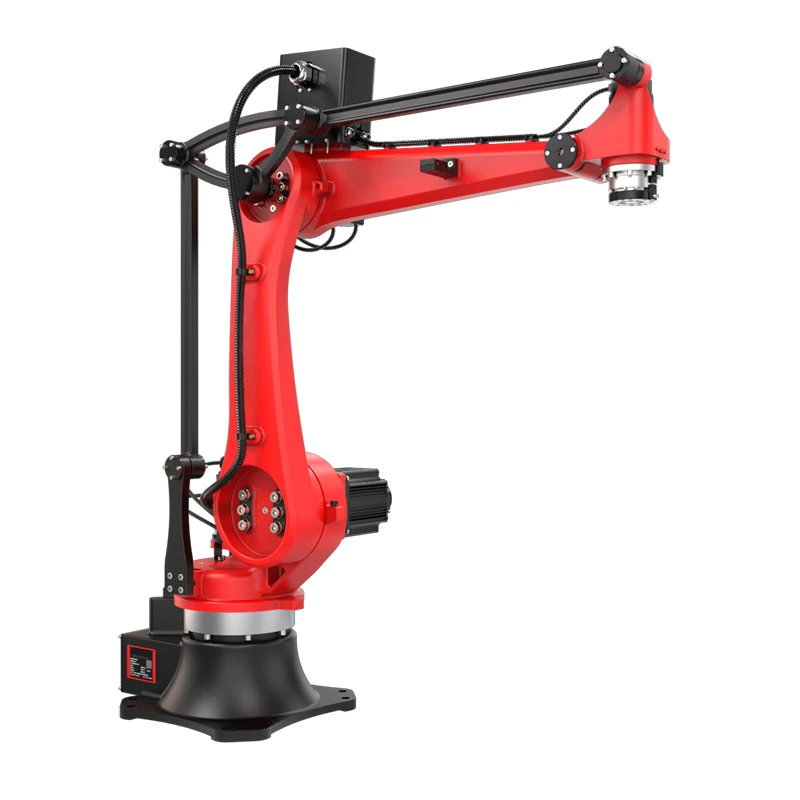
Robot cycle time alone does not determine palletizing output. Actual throughput depends on the complete handling cycle, including product infeed, gripping, movement, placement, pattern changes, and pallet exchange.
RBTIC evaluates the following factors when discussing a palletizing application:
Required Output: Cases, bags, or units per minute, including expected production peaks.
Payload and Gripping: Product weight, gripper weight, and the number of products handled per pick.
Robot Reach and Stacking Height: Pallet positions, maximum stack height, installation position, and required working envelope.
Product Infeed: Conveyor speed, product spacing, orientation, and availability for consistent picking.
Pallet Changeover: Empty-pallet supply, full-pallet discharge, and the time required to switch pallet positions.
Operating Schedule: Daily operating hours, production shifts, and expected utilization.
Palletizing Robot Supply Options
Define the required equipment scope before requesting a quotation. Available configurations depend on the selected robot model, project requirements, and agreed supply arrangement.
Palletizing Robot
For customers sourcing a robot for their own engineering team or system integrator to configure and commission. The quotation should identify the robot model, controller, cables, accessories, and other included components.
Palletizing Robot with End-of-Arm Tooling
For applications requiring a specified gripper or product-handling tool alongside the robot. Provide product dimensions, weight, packaging material, gripping surfaces, and the number of products to be handled per pick so the tooling requirements can be evaluated.
Palletizing Robot for Existing Production Lines
For manufacturers and integrators adding robotic palletizing to an existing packaging or conveying line. The review should cover available installation space, product infeed, pallet positions, control interfaces, and the division of integration responsibilities.
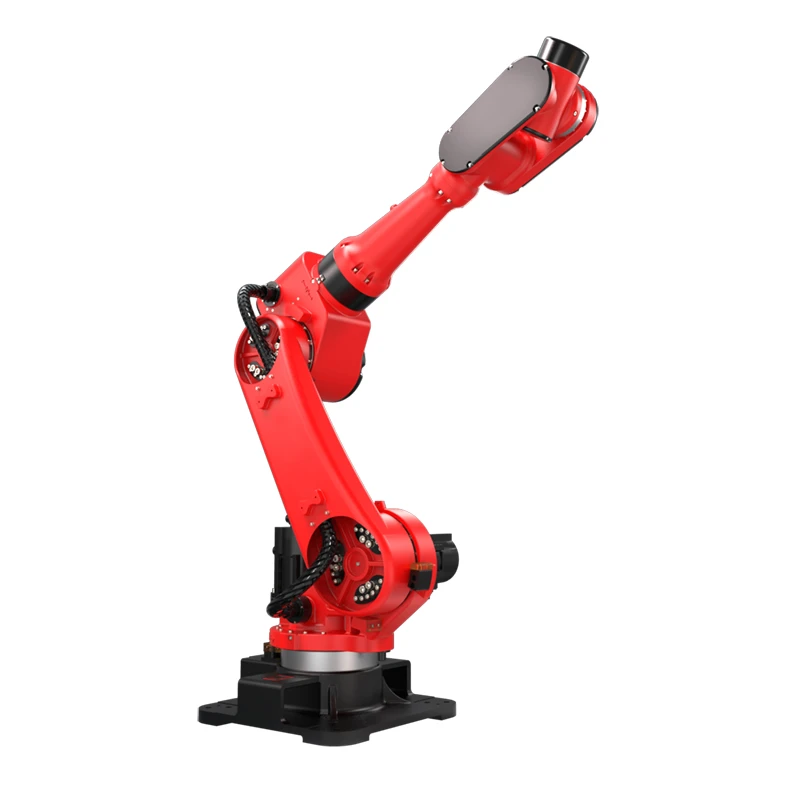
Integration Compatibility and Technical Documentation
For OEMs and system integrators, compatibility must be established before equipment is ordered.

Mechanical Integration
Review mounting dimensions, working envelope, pallet positions, equipment clearances, and maintenance access.
Production-Line Coordination
Define the required interaction with conveyors, product detection, pallet positioning, safety devices, and pallet discharge equipment.

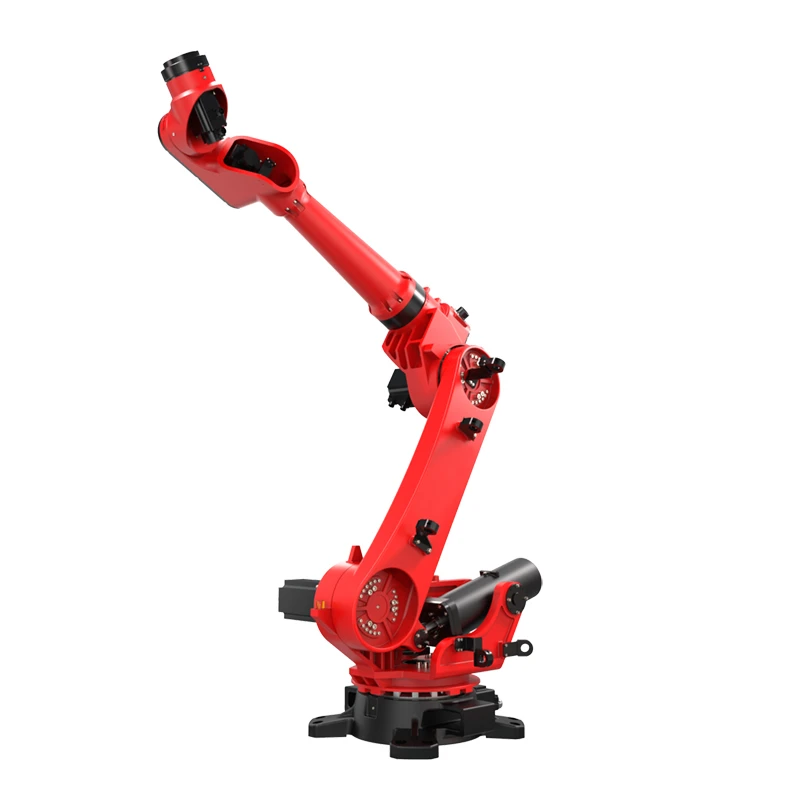
Control and Communication
Identify the existing PLC or machine controller, required I/O signals, communication protocols, and sequence coordination requirements. Supported interfaces must be confirmed for the selected model.
Technical Documentation
Confirm the availability and delivery scope of relevant robot dimensions, installation requirements, controller information, electrical connections, and supported interface documentation.

Order and Configuration Verification: Check the robot model, controller, cables, accessories, and specified options against the approved quotation and purchase order.
Component and Change Control: Identify supplied components against the agreed bill of materials. Any proposed substitutions or specification changes should be documented and approved before shipment.
Pre-Shipment Inspection: Agree on applicable functional checks, inspection conditions, test records, and whether photographs, reports, or customer witness inspections are available.
Acceptance Criteria: Define the required inspection items and acceptance conditions before order confirmation. For integrated workcells, distinguish robot-level checks from complete-system testing.
Repeat-Order Consistency: For OEMs, distributors, and multi-line projects, use the approved model and configuration as the reference for subsequent orders, documenting any agreed changes.
Technical support requirements should be defined according to the equipment supplied and the customer's engineering resources.
Documentation and Application Review: Identify the product, layout, and interface information needed to assess the selected robot configuration.
Programming and Commissioning: Confirm whether robot programming, PLC coordination, installation, commissioning, and application testing are included or handled by the customer's engineering team or integrator.
Troubleshooting: Establish the process for reporting faults, including the alarm codes, controller logs, error descriptions, and photographs or videos needed for diagnosis.
Technical Responsibility: Clarify which party supports the robot, gripper, peripheral equipment, PLC interfaces, and complete workcell.
After-Sales Service and Spare Parts
Warranty Coverage: Specify the warranty period, covered components, exclusions, claim procedure, and applicable operating conditions in the sales agreement.
Spare Parts: Identify relevant replacement parts by model and part number. Confirm availability, pricing, and estimated delivery arrangements.
Maintenance Information: Establish which maintenance instructions, troubleshooting information, and recommended spare-parts lists are supplied.
Service Availability: Confirm the availability, scope, schedule, and commercial terms of remote support, on-site repair, training, and other requested services.
FAQ
As one of the most professional palletizing robot manufacturers and suppliers in China, we have world-leading production equipment and strong manufacturing capabilities. Please feel free to buy durable palletizing robot for sale here from our factory. Also, custom service is available.
Popular Products