Introduction
The plastic manufacturing sector is a cornerstone of modern industrial production, supplying vital components for everything from automotive interiors and medical devices to consumer electronics and heavy household packaging. For decades, the injection molding process has served as the unyielding backbone of this industry, turning raw polymer pellets into intricate, high-precision shapes at scale. However, as global market demands shift toward faster cycle times, tighter tolerances, and lower production costs, traditional manual operations and basic mechanical extractors are no longer enough to maintain a competitive edge.
Enter advanced automation. Modern plastic plants are increasingly turning to robotic systems to streamline production lines, reduce labor bottlenecks, and elevate product quality. At the heart of this transformation is the specialized Injection Molding Robot, a mechanical marvel designed specifically to interface seamlessly with injection molding presses. Whether it is removing fresh parts from a hot mold, trimming gates, inserting metal components prior to molding, or sorting finished goods, these robotic systems have evolved from luxury upgrades into operational necessities.
For manufacturing plant managers and business owners taking their first steps into automation, implementing robotic systems can feel like a daunting endeavor. Questions surrounding equipment compatibility, integration complexity, safety compliance, and return on investment often create hesitation. This beginner's guide provides a comprehensive roadmap for successfully integrating an Injection Molding Robot into your plastic manufacturing facility, ensuring a smooth transition from manual operations to an intelligent, automated production environment.
1. Understanding the Basics and Benefits of Injection Molding Automation
What is an Injection Molding Robot and How Does It Work?
An Injection Molding Robot is a specialized automated device engineered to operate in direct synchronization with an injection molding machine (IMM). Unlike general-purpose industrial arms that might move freely across a factory floor, these robots are typically mounted directly onto the top platen of the molding machine or positioned securely beside the clamping unit. Their primary function is to enter the mold cavity immediately after the mold opens, extract the newly formed plastic parts before the mold closes for the next cycle, and transfer those parts to conveyor belts, trimming stations, or packaging bins.
The operational workflow of these systems is governed by a tightly controlled handshake protocol between the robot controller and the IMM controller. Safety interlocks ensure that the robot cannot enter the mold area until the mold is fully open and safe, and conversely, the molding press cannot close until the robot has completely retracted clear of the parting line. This synchronized choreography happens in a matter of seconds, executing hundreds or thousands of times a day with unyielding precision.
Core Advantages: Safety, Speed, and Quality Consistency
The decision to invest in an automated extraction system yields multiple compounding benefits for a plastic manufacturing plant. First and foremost is workplace safety. Injection molding environments involve extreme heat, heavy steel molds, and repetitive motions. Manual part removal or secondary insert loading places human operators in close proximity to closing platens and hot plasticized material. Automating these hazardous tasks drastically reduces workplace injuries and liability.
Beyond safety, robotic systems deliver unmatched speed and consistency. Human operators experience fatigue, leading to fluctuating cycle times and inconsistent cooling periods. An Injection Molding Robot operates with absolute consistency, ensuring that every single shot is extracted at the exact same millisecond. This precise control over dwell time and cooling prevents part warping, minimizes flash, and guarantees a level of quality consistency that manual labor simply cannot replicate, ultimately driving down scrap rates and maximizing overall factory profitability.
2. Assessing Your Facility's Readiness and Application Requirements
Evaluating Production Volume and Product Complexity
Before purchasing any hardware, facility managers must conduct a thorough audit of their current production runs and operational capabilities. Not every molding job requires advanced robotic intervention. High-mix, very low-volume runs where mold changeovers happen multiple times a shift can sometimes introduce excessive setup downtime if robotic programming is overly cumbersome. Conversely, high-volume production runs, long-running medical components, or intricate multi-cavity automotive parts are prime candidates for automation.
Product complexity is another critical factor. Parts that feature delicate geometries, deep undercuts, or require over-molding with metal inserts demand the steady hand and advanced sensory feedback of a modern robotic system. Assessing your current part catalog will help you identify which product lines will yield the fastest return on investment and justify the initial capital expenditure of integrating an Injection Molding Robot.
Compatibility with Existing Injection Molding Machines (IMMs)
A common pitfall for beginners is failing to verify the physical and electronic compatibility between the new automation equipment and the existing molding fleet. You must evaluate the tonnage, platen size, clearance dimensions, and controller interface of your current IMMs.
Older legacy molding machines may lack modern digital communication interfaces or standardized safety circuits, requiring custom retrofitting before a robot can be mounted and integrated. Additionally, physical weight distribution matters significantly; mounting a heavy robotic arm directly onto a smaller IMM platen requires structural verification to ensure the machine frame can support dynamic movement forces without destabilizing alignment. Consulting with equipment manufacturers early in the planning phase ensures that your chosen Injection Molding Robot matches your machine architecture seamlessly.
3. Choosing the Right Robotic Type and End-of-Arm Tooling (EOAT)
Navigating Cartesian, Articulated, and Side-Entry Robots
When selecting an automated extraction system, you will encounter several distinct configurations, each suited for specific manufacturing tasks.
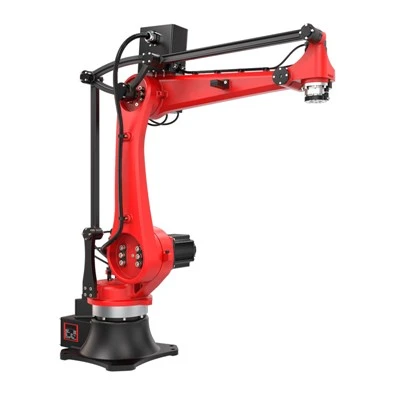
Cartesian (Linear) Robots: These are the most common systems found in injection molding plants. Operating on linear X, Y, and Z axes (typically arranged in a bridge or beam structure over the machine), Cartesian units are fast, highly accurate, and ideal for straightforward part removal, stacking, and placing parts onto adjacent conveyors.
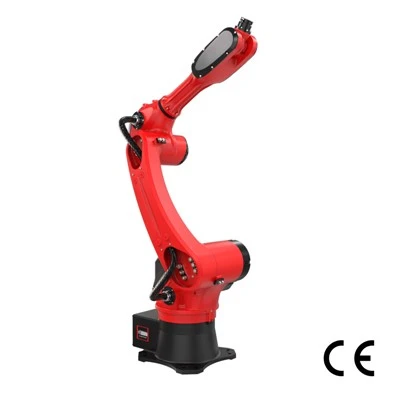
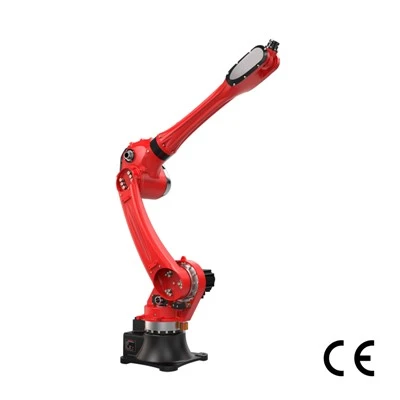
Articulated (Six-Axis) Robots: Mimicking the movement of a human arm, articulated robots offer incredible dexterity and flexibility. They are typically floor-mounted beside the IMM and are exceptional for complex post-mold operations, such as automated deburring, flame treatment, laser etching, assembly, and intricate packaging orientations.
Side-Entry Robots: These specialized units enter the mold area horizontally from the operator side rather than from above. They are specifically designed for high-speed horizontal molding applications, thin-wall packaging production, or scenarios with severe vertical clearance limitations in the facility.
Designing Custom End-of-Arm Tooling (EOAT) for Plastic Parts
The robot itself is only half the equation; the End-of-Arm Tooling (EOAT) is the customizable gripper attached to the end of the robotic arm that makes physical contact with the plastic part. Designing effective EOAT is both an art and a science, requiring a deep understanding of polymer behavior.
Freshly molded plastic parts are often still warm, dimensionally sensitive, and prone to deformation if handled incorrectly. EOAT designers must select appropriate grip mechanisms-such as vacuum suction cups for smooth flat surfaces, pneumatic gripper fingers for structural ribs, or expanding internal mandrels for cylindrical components. Furthermore, lightweight materials like carbon fiber or aerospace-grade aluminum are often utilized for EOAT construction to minimize payload weight, reduce wrist inertia, and allow the Injection Molding Robot to achieve maximum acceleration without putting excessive strain on its joints.
4. Integration, Safety Protocols, and Workforce Training
Step-by-Step Installation and Machine Interfacing
Once the hardware and tooling are selected, the physical installation and electronic integration phase begins. This process requires close coordination between mechanical riggers, electrical technicians, and software programmers.
Modern molding automation relies heavily on standardized communication protocols. The European Committee for Standardization established specific interface norms-commonly known as Euromap standards (such as Euromap 67 or the newer Euromap 77/83 for Ethernet-based communication)-to ensure that any Injection Molding Robot can plug and communicate natively with any compatible IMM. During installation, engineers configure safety zones, establish home positions, program extraction trajectories, and test emergency stop circuits rigorously. Dry-run testing without hot material is essential to verify that every motion path is free of collisions before production is authorized to begin.
Fostering Safety and Upskilling the Plant Workforce
Introducing robots into a manufacturing plant changes the daily workflow of the shop floor. Transitioning to automated production does not eliminate human labor; rather, it elevates it. Operators who previously spent their shifts standing at a press extracting parts must now be upskilled to oversee automated cells, troubleshoot minor software errors, and perform routine maintenance.
Comprehensive safety protocols are non-negotiable. Physical safety fencing, light curtains, area scanners, and safety interlock gates must surround the robotic cell to prevent accidental personnel entry during operation. Training your workforce on lockout/tagout procedures, robot jogging controls, and emergency stop response ensures a safe, confident working environment where human operators and machines collaborate harmoniously.
Conclusion
Implementing automation in a plastic manufacturing facility represents a transformative milestone for any growing enterprise. While the initial planning, equipment selection, and integration phases require careful capital allocation and engineering diligence, the long-term rewards far outweigh the hurdles.
By eliminating manual bottlenecks, drastically reducing cycle time variance, improving product quality consistency, and protecting workers from hazardous machinery, plant owners can unlock unprecedented levels of operational efficiency. Selecting the right configuration and tooling ensures that your chosen Injection Molding Robot operates as a reliable, high-performing engine of productivity. Ultimately, embracing robotics is no longer just a strategy for keeping up with industry trends-it is the definitive key to securing scalable growth, uncompromised product quality, and long-term profitability in the modern manufacturing landscape.